
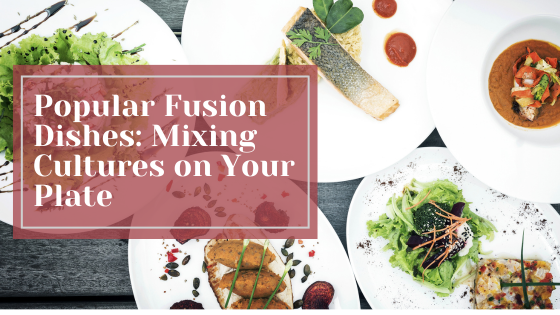
In an increasingly globalized world, cuisine is one of the most exciting areas where cultures merge to create new flavors and experiences. Fusion dishes, which blend ingredients, cooking techniques, and flavors from different cultures, showcase the creativity of chefs and home cooks alike. Fusion dishes combine unexpected elements from Korean tacos to sushi burritos to form culinary masterpieces. Here are some of the most popular fusion dishes that have gained a loyal following around the globe.
1. Korean Tacos
One of the most well-known fusion dishes, Korean tacos combine the spicy, umami flavors of Korean BBQ with the beloved format of a Mexican taco. Korean tacos often feature marinated meats like bulgogi (Korean-style beef), topped with spicy gochujang (Korean red chili paste), kimchi, and fresh greens, all wrapped in a warm tortilla. The dish gained popularity in Los Angeles in the early 2000s, thanks to the rise of food trucks. This blend of savory Korean flavors with the familiar taco has become a go-to street food for fusion cuisine lovers.
2. Sushi Burritos
Sushi burritos are a delightful mix of Japanese and Mexican cuisines. These oversized sushi rolls are wrapped in seaweed and packed with rice, raw fish, and various vegetables and sauces, much like traditional sushi but with the size and convenience of a burrito. Popularized by fast-casual restaurants, sushi burritos provide a fresh, customizable option that appeals to sushi and Mexican wraps fans. They allow for endless combinations of ingredients, making them a perfect grab-and-go meal that’s both satisfying and Instagram-worthy.
3. Butter Chicken Pizza
Indian and Italian flavors meet in butter chicken pizza, a dish that takes the classic pizza format and replaces marinara sauce with creamy, spiced butter chicken sauce. This dish has gained popularity in areas with a high population of South Asians, particularly in Canada and the UK. The rich, tomato-based butter chicken sauce complements the melted cheese, while toppings like cilantro and red onions add a fresh kick. This fusion dish demonstrates how a single base—in this case, pizza dough—can adapt to flavors worldwide.
4. Ramen Burgers
The ramen burger, invented in New York City by Japanese-American chef Keizo Shimamoto, replaces traditional burger buns with crispy, fried ramen noodle patties. Inside, you’ll find a beef patty with lettuce, scallions, and a savory sauce often inspired by Japanese seasonings. The unique texture of the ramen “buns” makes this a standout fusion dish, blending the comforting flavors of ramen with the classic appeal of a burger. This playful mix of American and Japanese cuisine has since gained a cult following at food festivals and pop-up restaurants.
5. Mexican-Style Sushi Rolls
In coastal Mexican cities like Mazatlán, sushi has been reinvented with Mexican flavors and ingredients. Mexican sushi often includes fillings like avocado, jalapeño, spicy sauces, and additional toppings such as cream cheese and fried shrimp. The rolls are larger and heartier than traditional sushi, with bold flavors reflecting Mexican cuisine’s vibrancy. This dish is popular not only in Mexico but also in regions of the U.S. with Mexican solid communities.
6. Tex-Mex Dishes
Tex-Mex cuisine, a blend of Texan and Mexican influences, is one of the oldest fusion food categories in the U.S. Classic Tex-Mex dishes include fajitas, nachos, and chili con carne. These dishes take traditional Mexican ingredients and adapt them to American tastes, often with more cheese, beef, and beans than would be found in authentic Mexican cuisine. Tex-Mex is a beloved regional cuisine in the southern United States and has become widely popular across the country.
Conclusion
Fusion dishes are a testament to the endless possibilities of mixing flavors, textures, and cooking styles. They celebrate cultural diversity, bringing together culinary traditions from around the world to create something entirely new and delicious. These dishes remind us that food has the unique power to connect people across borders and that the blending of flavors can be as enriching as the blending of cultures.