
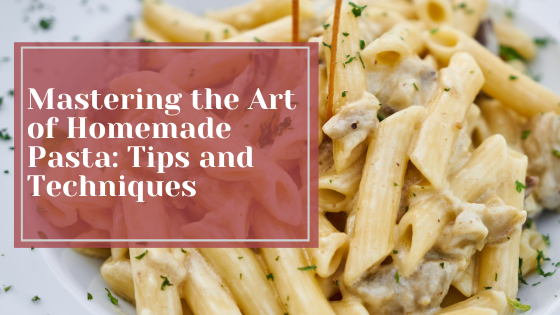
There’s something undeniably magical about a plate of homemade pasta. The silky strands of fettuccine, the delicate pockets of ravioli, or the comforting embrace of gnocchi – they all have a unique charm that sets them apart from their store-bought counterparts. While making homemade pasta may seem intimidating at first, it’s a culinary endeavor that’s both rewarding and achievable with the right tips and techniques.
Select the Right Ingredients:
The foundation of great homemade pasta is high-quality ingredients. Use semolina flour, ’00’ flour, or a combination of both for the perfect texture. Fresh, organic eggs will lend a rich color and flavor to your pasta. Invest in the best you can find, and your pasta will thank you.
Measure Ingredients Carefully:
Precise measurements are crucial in pasta-making. Use a kitchen scale to weigh your flour and eggs. This ensures consistency in your pasta dough and its ability to hold sauces.
Knead the Dough:
When combining flour and eggs, knead the dough until it’s smooth and elastic. This process develops the gluten, giving your pasta structure. Rest the dough for at least 30 minutes to allow it to relax and make rolling out easier.
Rolling Out the Dough:
A pasta machine or a rolling pin is essential for this step. Divide the dough into manageable portions and roll it out gradually, reducing the thickness with each pass. This is where you can decide the thickness and shape of your pasta.
Get Creative with Shapes:
While spaghetti and fettuccine are classic choices, don’t be afraid to experiment with different shapes like pappardelle, orecchiette, or farfalle. You can even make stuffed pasta like ravioli or tortellini for added flair.
Use Flour Sparingly:
Dust your pasta with flour to prevent sticking, but avoid excessive use. Excess flour can affect the texture and taste of the pasta. A better option for dusting is semolina flour, which adds a pleasant texture and prevents sticking.
Cook Al Dente:
Fresh homemade pasta cooks much quicker than dried pasta. It’s important to taste it frequently as it cooks to ensure it remains al dente. The cooking time can be as short as 1-3 minutes.
Salt the Cooking Water:
Season your pasta cooking water with a generous amount of salt. This flavors the pasta from the inside, enhancing the overall taste.
Pair with the Right Sauces:
Different pasta shapes and sizes are best suited to various sauces. For example, a robust bolognese pairs well with tagliatelle, while a simple aglio e olio is perfect for spaghetti. Experiment with different pairings to discover your favorites.
Practice and Patience:
Like any culinary skill, mastering homemade pasta takes practice. Don’t be discouraged if your first attempts aren’t perfect. Each batch will teach you something new and bring you one step closer to pasta perfection.
Enjoy the Process:
Making homemade pasta is a labor of love. Involve friends or family members for a fun and engaging cooking experience. Sharing the meal you’ve created together is incredibly rewarding.
Mastering the art of homemade pasta is a journey worth embarking on. With the right ingredients, techniques, and a dash of passion, you can create pasta dishes that rival those of the finest Italian trattorias. So, roll up your sleeves, dust off your rolling pin, and start experimenting with different pasta shapes and flavors. You’ll soon discover the joy of creating, cooking, and savoring your own delectable homemade pasta. Buon appetito!