
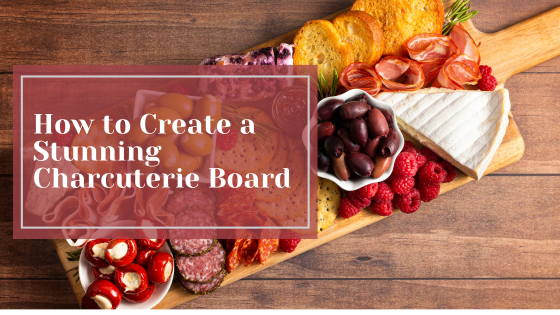
Creating a charcuterie board is an art form that combines culinary skills with a keen eye for aesthetics. Whether you’re holding a more casual gathering or a formal dinner, a well-crafted charcuterie board can be the centerpiece that impresses your guests. Here’s a step-by-step guide to help you create a stunning charcuterie board that’s as visually appealing as it is delicious.
Choose Your Board
The foundation of a great charcuterie display starts with the board itself. Opt for a large, flat surface made of wood, slate, or marble. The size of the board should be proportional to the number of guests. For a rustic look, consider using a wooden board with natural edges, while a marble slab offers a more elegant presentation.
Select Your Meats
The meats are the star of the charcuterie board. Aim for a variety of different textures and flavors, such as:
- Cured meats: Prosciutto, salami and chorizo are classics.
- Smoked meats: Smoked ham or turkey can add a different dimension.
- Patés and terrines: These provide a rich, spreadable option.
Arrange the meats in small piles or rosettes around the board, making sure they are easy to pick up with fingers or utensils.
Add a Variety of Cheeses
Cheese is a crucial component of any charcuterie board. Include a mix of soft, semi-soft, and hard cheeses to cater to different preferences. Some popular choices are:
- Soft cheeses: Brie, Camembert or goat cheese.
- Semi-soft cheeses: Gouda, Havarti or Fontina.
- Hard cheeses: Aged Cheddar, Parmesan or Manchego.
Cut the cheese into bite-sized pieces or leave some whole with a knife for guests to slice. Spread them evenly around the board to create balance.
Incorporate Fresh and Dried Fruits
Fruits add a touch of sweetness and color to the board. Incorporate both fresh and dried fruits like:
- Fresh fruits: Grapes, apple slices or berries.
- Dried fruits: Apricots, figs or dates.
Scatter the fruits throughout the board to add visual interest and complementary flavors.
Include Nuts and Crackers
Nuts and crackers provide crunch and help to round out the charcuterie experience. Consider:
- Nuts: Almonds, walnuts or pistachios.
- Crackers: Choose a variety of shapes and flavors, such as water crackers, whole grain, or seed crackers.
Place these items in small piles or in bowls to keep them neat and accessible.
Add Condiments and Spreads
Condiments and spreads can elevate the flavors of your charcuterie board. Include:
- Jams and preserves: Fig jam, apricot preserves, or honey.
- Mustards and spreads: Whole grain mustard, tapenade or hummus.
These can be served in small bowls with spoons or spreaders for easy serving.
Garnish for the Final Touch
Garnishes like fresh herbs (rosemary, thyme), edible flowers, or even a few sprigs of arugula can add an exciting touch to your charcuterie board. They provide a pop of color and a hint of freshness.
Presentation Tips
- Layering: Start with larger items like meats and cheeses, then fill in gaps with smaller items like fruits, nuts, and garnishes.
- Color Balance: Distribute colors evenly across the board to make it visually appealing.
- Texture Variety: Ensure a mix of textures to keep things interesting.
By following these steps, you’ll create a stunning charcuterie board that not only delights the palate but also serves as a feast for the eyes. Your guests will appreciate both the thought and creativity that went into making such an impressive spread.